
I have worked as an arborist in the Macedon Ranges for more than a decade, and I still feel a sense of respect every time I pull into a property lined with old gums or towering cypress trees. My work is physical, sometimes unpredictable, and often shaped by weather that can change in an hour. I spend my days assessing tree health, climbing into canopies, and helping homeowners make decisions that protect both their properties and the trees they value. No two jobs are ever exactly the same, and that variety is one of the reasons I have stayed in this trade for so long.
The Variety of Trees Keeps Me Learning
The Macedon Ranges has an incredible mix of native and introduced species. I might spend the morning pruning a mature oak that is close to 20 metres tall and then move to a property where young eucalyptus trees need shaping. Each species grows differently and reacts to pruning in its own way. Experience matters because a cut made in the wrong place can affect a tree for years.
People often assume tree work is mostly about cutting branches, but much of my time is spent observing. I look at bark texture, branch unions, soil conditions, and signs of disease that are easy to miss if you rush. A hollow branch may look harmless from the ground, yet once I climb into the canopy I sometimes find decay that changes the whole plan. Small details matter.
I remember visiting a customer last spring who was worried about a leaning gum tree near the driveway. From a distance it looked alarming, and the family assumed removal was their only option. After inspecting the root flare and canopy balance, I found the tree had likely grown that way for decades and was structurally sound. They were relieved to keep a tree that had shaded their home for generations.
Every Property Has Different Challenges
Working across the Macedon Ranges means adapting constantly. Some homes sit on steep slopes where equipment access is limited. Others have gardens packed with delicate plants that require careful rigging techniques so heavy limbs can be lowered safely. I rarely approach two sites in exactly the same way.
Many homeowners spend weeks researching before hiring someone. I have spoken with people who compared local companies, read reviews, and looked at examples of previous work before making a decision. One resource I often hear mentioned is arborist Macedon Ranges, because people like seeing how local tree services approach different jobs and explain their methods.
Storm damage creates another layer of complexity. A branch that snaps halfway through a canopy does not behave predictably once tension is released. I have seen limbs twist unexpectedly or remain suspended several metres above a roof, forcing me to slow down and rethink my approach. Patience saves trouble.
There are days when I spend more time planning than cutting. That surprises people. Good preparation reduces risk and keeps everyone on site focused on the same goal.
The Emotional Side of Tree Work Is Real
Trees carry memories for people. I learned that early in my career when a customer asked me to remove an old pine planted by her parents many years earlier. She knew the tree had become unsafe, yet she stood outside watching every stage of the removal because it marked an important part of her family's history.
Moments like that changed how I speak with customers. I try not to rush conversations or jump straight into technical explanations. People are often balancing safety concerns with emotional attachment, and they deserve time to process those choices.
I have also seen the opposite reaction. Some clients are thrilled to remove trees that block sunlight or create constant maintenance problems. One family told me they had postponed the work for nearly five years, and after the removal they immediately started planning a new outdoor entertaining area.
Those reactions remind me that my job is not simply operating chainsaws or climbing ropes. I help people shape the spaces where they live. That responsibility stays with me.
Safety Never Becomes Routine
After years in this industry, I still run through safety checks before every climb. Harnesses wear out. Ropes age. Weather changes quickly, especially in elevated areas where wind speeds can rise within minutes. I trust experience, but I never assume a job is easy.
A typical day starts with inspecting equipment and discussing hazards with the crew. We talk about escape routes, communication signals, and where heavy sections will land once they are lowered. These conversations are not dramatic. They are practical habits built over hundreds of jobs.
Some of the most dangerous situations are not obvious at first glance. Trees growing near power lines, unstable root systems after heavy rain, or hidden cavities inside trunks can create risks that only appear during close inspection. I once declined a job until additional equipment could be brought in because the margin for error felt too small. That decision delayed the project, but everyone agreed it was the right call.
Why I Keep Showing Up
There are easier ways to make a living than climbing trees in changing weather. I know that every winter morning when my boots are wet before sunrise or when I spend hours hauling brush after a long removal. Yet I still enjoy the work because it combines physical skill, problem solving, and genuine connection with people.
The Macedon Ranges remains one of the most beautiful places I have worked. I get to see old gardens hidden behind stone walls, quiet country roads lined with mature trees, and properties where wildlife is part of everyday life. Those moments break up the hard labour and remind me why I chose this career.
I still feel a sense of satisfaction when I pack up at the end of the day and look back at a tree that is healthier, safer, or better balanced than when I arrived. Some jobs are exhausting. Others are straightforward. All of them add to the experience that keeps me learning year after year.
My tools have changed over time and techniques continue to evolve, but the reason I became an arborist has stayed the same. I enjoy caring for trees, solving difficult problems, and helping people protect the places they call home. For me, that is enough reason to keep climbing tomorrow.
I have spent years running small tree removal crews around Virginia, mostly on older residential lots where oaks, maples, poplars, and pines grow too close to roofs and power drops. I am usually the person walking the yard first, looking at lean, decay, access, fences, sheds, slope, and where the wood can safely land. Tree removal in Virginia is rarely just about cutting a tree down, because wet clay soil, tight neighborhoods, storm seasons, and mature hardwoods all change the job.
How I Decide Whether a Tree Really Needs To Come Down
I do not like removing a healthy tree just because it drops leaves or makes shade in the wrong place. A mature white oak can take generations to replace, and I remind homeowners of that before we talk about saws. Still, I have looked at plenty of trunks with hollow pockets, included bark, old lightning scars, and roots lifting out of soft ground after three days of rain.
My first pass is usually slow and quiet. I check the root flare, the trunk, the main unions, and the canopy before I talk price. If I can press a soil probe into punky wood near the base, or if mushrooms are wrapping one side of the stem, I start thinking about failure patterns instead of appearance.
A customer last spring had a tulip poplar leaning toward a two-story colonial, and from the driveway it looked dramatic but not urgent. Once I walked behind it, I found a split in the lower trunk that had opened wider after a wind event. That changed the conversation from pruning to removal, because no amount of crown thinning was going to fix a compromised stem that size.
What Makes Virginia Tree Removal More Complicated Than It Looks
Virginia has a mix of old towns, wooded suburbs, mountain lots, and coastal properties, so the same species can create very different removal problems. In one neighborhood, I may have twenty feet of open lawn and a clean chipper path. A few miles away, I may be lowering every limb by rope over a slate patio and a heat pump.
Access is one of the biggest cost drivers I see. If I can get a lift or bucket truck close to the tree, the work often moves faster and with less climbing risk. If the only path is a narrow side gate, the crew may have to carry every round by hand, and that can turn one hard day into two.
I have seen homeowners compare distant examples online and get confused because the setting is not the same as their yard. One resource I have seen people search for is tree removal Virginia when they are trying to understand how services describe removal work in a specific place. I still tell them the real answer comes from standing under the tree, because a photo cannot show soil movement, hidden decay, or how close the drop zone sits to glass.
Power lines are another issue that needs respect. I will not let a ground worker swing a pole saw near a service line just because the branch looks small. If the utility side of the job is involved, I would rather lose half a day coordinating than gamble with a charged line near wet grass.
What I Look At Before I Give a Price
People sometimes expect a fast number from one picture, and I understand why. A dead pine behind a garage looks simple on a phone. Then I arrive and see the septic lid, the neighbor’s fence, a dogwood underneath, and a driveway too tight for the chip truck.
I price the risk, the time, the equipment, and the cleanup. A seventy-foot oak with room to fell is a different job from a forty-foot maple over a sunroom. Height matters, but location often matters more.
There are a few details I always check before I write the estimate. I look for room to stage brush, a place to stack logs, low limbs that block equipment, and soft ground that could rut under tires. I also ask whether the stump should be ground, because stump grinding is a separate operation with its own machine and mess.
One homeowner in a brick ranch asked why his neighbor paid less for what looked like a bigger tree. His neighbor’s tree could be felled into an open back lot, cut up, and hauled without rigging. His tree sat above a fence corner, a shed roof, and a narrow alley of shrubs, so every limb needed a rope and a controlled drop.
Permits, Neighbors, and the Part Nobody Wants To Handle
Virginia rules can change by city, county, development, and homeowners association. I do not pretend one rule covers every property. In some places, a dead or hazardous tree can be removed with little trouble, while protected trees or work near certain areas may call for paperwork before the crew starts.
I always ask homeowners to check local rules if the tree sits near a street, shared boundary, stream buffer, or managed community. That sounds like a small step, but it can prevent a bad argument later. I have watched a neighbor dispute turn a one-day removal into weeks of messages because nobody agreed where the trunk stood.
Property lines matter more than people think. Limbs may hang over your yard, but the trunk location usually drives who can approve removal. If I see a boundary tree, I want written agreement before I put a saw into it, because a handshake across a fence can fade once the stump is visible.
Noise and timing also matter in tight neighborhoods. A chipper at 8 in the morning can sound like a small airplane on a quiet street. I usually suggest telling the closest neighbors the day before, especially if parking spaces, shared drives, or temporary road blockage might be part of the work.
What a Safe Removal Day Usually Feels Like
A good removal day should look controlled, not rushed. The crew sets cones, checks ropes, talks through the plan, and keeps the drop zone clear before the first cut. I would rather spend fifteen minutes setting a line correctly than spend the rest of the afternoon repairing a crushed railing.
On a simple job, we may strip limbs, drop the top, section the trunk, chip the brush, and load the wood in steady order. On a tighter job, the climber may lower pieces the size of a suitcase for most of the morning. Slow is smooth.
The homeowner usually sees only the loud part. What they do not see is the communication between the climber and ground crew, the way a rope angle changes a limb’s swing, or why one cut gets made six inches higher than expected. Those small choices decide whether the limb lands flat, rolls, or kicks back toward something expensive.
Cleanup is where a crew shows pride. I do not promise a yard will look untouched after a large removal, because heavy wood and equipment leave signs. I do expect sawdust piles to be handled, ruts to be discussed, gates to be closed, and the final walk-through to happen before anyone leaves.
If I were hiring a tree removal crew in Virginia, I would care less about the lowest number and more about whether the person estimating the job could explain the plan in plain language. I would ask about insurance, equipment access, rigging, cleanup, and stump grinding before the crew arrived. A tree can take decades to grow and a few hours to remove, so the work deserves more thought than a quick price and a handshake.
As a landscaping professional with over a decade of experience, I’ve seen firsthand how transformative a well-installed lawn can be for a property. That’s why I often recommend Sod Installation Vancouver to clients who want a quick, healthy, and low-stress way to establish a vibrant yard. Early in my career, I observed too many homeowners attempting DIY sod installation, only to struggle with patchy growth, soil erosion, or uneven sections. Partnering with experts ensures that the lawn roots properly and maintains a lush, uniform appearance from the start.
One memorable project involved a family whose backyard had been neglected for years, leaving bare patches and compacted soil. We began by aerating and enriching the soil before carefully laying the sod, paying close attention to alignment and minimizing gaps. Within weeks, the yard transformed into a smooth, dense green space. The family was thrilled to have an area that was safe for their children to play on and easy to maintain—something they hadn’t experienced in years.
Another client had a narrow townhouse backyard with minimal sunlight, and they were concerned that sod wouldn’t survive. I suggested a shade-tolerant variety and adjusted the layout to maximize light exposure while ensuring proper drainage. Seeing the sod establish successfully and thrive despite the challenging conditions reinforced for me how critical the right preparation and variety selection are.
I’ve also guided clients through the early care phase, which is often underestimated. Last spring, a homeowner was hesitant about watering schedules and fertilization after installation. By providing clear, practical instructions and monitoring the sod during its first month, we avoided common pitfalls like drying seams or uneven growth. The result was a fully rooted, resilient lawn that exceeded their expectations and required far less maintenance than anticipated.
In my experience, successful sod installation is much more than simply rolling out grass—it’s a combination of site assessment, proper preparation, selecting the right sod, and ongoing guidance during establishment. Working with a skilled team like Sod Installation Vancouver not only ensures immediate results but also a lawn that will remain healthy and vibrant for years to come.
East Valley Landscape Design is becoming increasingly popular as homeowners seek to enhance their outdoor living spaces with beauty, functionality, and sustainability. From sprawling backyards to compact front lawns, professional landscaping services are helping East Valley residents reimagine their properties in ways that increase curb appeal and property value.
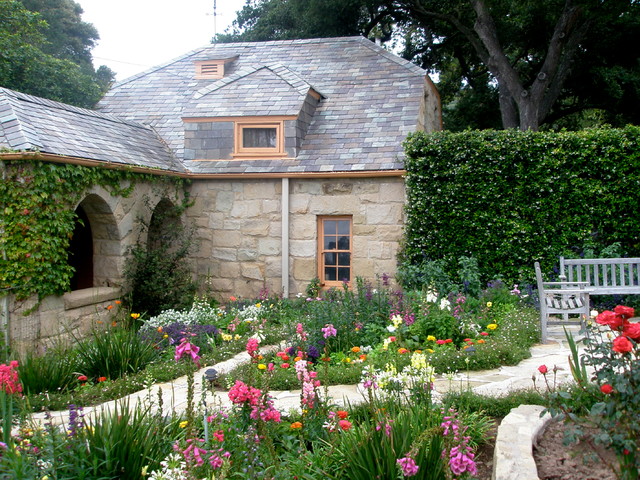
In recent years, the demand for East Valley Landscape Design has grown alongside the region’s booming population. Families moving into cities like Gilbert, Chandler, and Mesa are looking to make the most of their outdoor areas, and landscape designers are answering the call with innovative, climate-conscious solutions. This surge in interest reflects a broader trend toward outdoor living, with more people spending time at home and investing in their surroundings.
One reason East Valley Landscape Design stands out is its focus on sustainability. With Arizona’s arid climate and ongoing water concerns, landscape designers in the region prioritize drought-tolerant plants, efficient irrigation systems, and xeriscaping techniques. These environmentally friendly approaches not only conserve water but also reduce maintenance costs, making them ideal for homeowners looking to save money and resources.
East Valley Landscape Design also excels in creating functional outdoor spaces tailored to modern lifestyles. Whether it's a shaded patio for entertaining, a fire pit for evening gatherings, or a serene garden for quiet reflection, landscape designers work closely with clients to bring their vision to life. The result is an outdoor environment that reflects the homeowner’s personality while offering year-round usability.
The aesthetic appeal of East Valley Landscape Design is another major draw. Designers often incorporate native plants, natural stone, and regionally inspired themes to create a cohesive look that complements the surrounding desert landscape. These designs can range from minimalist and modern to lush and Mediterranean, depending on the client’s taste and the property’s layout.
Hardscaping is another key element in many East Valley Landscape Design projects. Features such as paver patios, walkways, retaining walls, and decorative rock beds add structure and visual interest to outdoor spaces. These elements not only enhance the beauty of the landscape but also improve functionality and accessibility, making the yard more enjoyable for families and guests alike.
Lighting is an often-overlooked component of East Valley Landscape Design, but it plays a crucial role in transforming the look and feel of an outdoor space. Professionally installed lighting can highlight architectural features, improve nighttime visibility, and create ambiance for evening entertaining. With energy-efficient LED options, homeowners can enjoy beautiful outdoor lighting without significantly increasing their electricity bill.
East Valley Landscape Design also accommodates the growing trend of edible landscaping. Many homeowners are integrating fruit trees, vegetable beds, and herb gardens into their yard layouts. This approach not only provides fresh, home-grown produce but also adds a practical and sustainable touch to the landscape. Designers ensure that these features are both functional and visually appealing.
Incorporating water features is another hallmark of standout East Valley Landscape Design. Even in the desert climate, features like fountains, waterfalls, and small ponds can create a calming atmosphere and serve as focal points in a yard. Designers utilize recirculating systems and water-saving technologies to ensure these additions are efficient and environmentally responsible.
Technology is playing a larger role in East Valley Landscape Design as well. Smart irrigation systems, landscape design software, and drone mapping allow designers to plan and implement projects with greater precision. These tools help homeowners visualize their finished space before any work begins, ensuring that expectations are met and budgets are maintained.
As more residents prioritize outdoor living, East Valley Landscape Design continues to evolve to meet changing needs and preferences. Designers now offer comprehensive services that include landscape architecture, plant selection, hardscaping, lighting, and maintenance planning. This all-in-one approach makes it easier for homeowners to manage their outdoor spaces and keep them looking their best year-round.
The benefits of hiring an expert in East Valley Landscape Design go beyond aesthetics. Professional landscaping can improve drainage, reduce erosion, and even lower energy costs by strategically placing trees and shrubs to provide shade. In this way, a well-designed landscape can contribute to both the beauty and efficiency of a home.
East Valley Landscape Design firms are also skilled at navigating local regulations and HOA guidelines. They understand zoning laws, plant restrictions, and building codes, ensuring that every project complies with community standards. This expertise saves homeowners time and hassle, especially in master-planned communities with strict design rules.
Choosing the right partner for East Valley Landscape Design means finding a company that understands both the art and science of landscaping. Reputable designers will take the time to assess the property, listen to the client’s needs, and develop a customized plan that balances form and function. With the right team, even the most basic yard can be transformed into a personal oasis.
Ultimately, East Valley Landscape Design is about more than just planting trees or laying sod—it’s about creating spaces that enhance daily life. Whether the goal is relaxation, recreation, or entertainment, a thoughtfully designed landscape can provide lasting value and enjoyment for years to come. As the East Valley continues to grow, so too will the demand for creative, high-quality outdoor design.
When it comes to maintaining the beauty and safety of your outdoor space, tree care is often at the top of the list. Overgrown branches, diseased trees, or improperly maintained landscaping can lead to serious problems for homeowners and businesses alike. That’s where Longtree Tree Care Experts step in—offering professional, reliable, and environmentally conscious tree services that help landscapes thrive.
Who Are Longtree Tree Care Experts?
Longtree Tree Care Experts is a full-service tree care company dedicated to providing top-tier services to residential, commercial, and municipal clients. With years of experience and a team of certified arborists, Longtree is known for delivering quality work, safety-first practices, and exceptional customer satisfaction.
Their mission is simple: to care for trees in a way that enhances the environment while protecting people and property. Whether it's tree trimming, removal, planting, or emergency storm response, Longtree ensures that every job is done with precision and respect for nature.
Services Offered
Longtree Tree Care Experts provide a comprehensive suite of services tailored to meet the needs of each client:
Tree Pruning & Trimming: Proper pruning improves tree health, appearance, and structure. Longtree’s team uses industry-best practices to remove dead or hazardous branches and encourage strong growth patterns.
Tree Removal: Sometimes, a tree is beyond saving. Longtree handles removals safely and efficiently, even in tight spaces or near structures. They also offer stump grinding and site cleanup.
Tree Health & Disease Management: Longtree’s certified arborists can diagnose and treat common tree diseases and pest infestations. From soil analysis to targeted treatments, they provide solutions that promote long-term health.
Emergency Tree Services: Storms can wreak havoc on trees. Longtree offers 24/7 emergency response for fallen limbs or uprooted trees, helping to minimize damage and restore safety quickly.
Cabling & Bracing: To support weak limbs or trunks, Longtree installs custom cabling systems that reduce risk and extend the life of valuable trees.
Tree Planting & Consultation: Selecting and planting the right tree is crucial for success. Longtree advises clients on species selection, location, and care to ensure healthy growth from day one.
Commitment to Safety and Sustainability
Safety is a cornerstone of Longtree’s operation. The team undergoes regular training in the latest safety protocols and uses state-of-the-art equipment for all services. Each project is carefully planned to avoid damage to surrounding property and minimize risk to workers and clients.
Longtree Tree Care Experts are also deeply committed to environmental stewardship. They recycle tree waste, use eco-friendly treatment options, and strive to preserve healthy trees whenever possible. Their sustainable practices not only protect the ecosystem but also provide peace of mind for environmentally conscious customers.
Why Choose Longtree?
What sets Longtree apart is their unwavering commitment to excellence. From the first consultation to the final cleanup, they prioritize clear communication, honesty, and professionalism. Every customer receives a detailed assessment and a transparent estimate, with no hidden fees or surprises.
Longtree also prides itself on punctuality and respect for clients' property. Crews arrive on time, work efficiently, and leave the site cleaner than they found it. Their reputation for reliability and quality service has earned them loyal clients and glowing reviews across multiple platforms.
Serving the Community
Beyond their technical expertise, Longtree Tree Care Experts are proud to be active members of the local community. They participate in tree planting events, support local green initiatives, and offer educational workshops on tree care for homeowners and schools.
This community-focused approach builds trust and lasting relationships—something Longtree values just as much as expert tree care.
Get in Touch with Longtree
If your property needs tree care, don’t settle for less than the best. Longtree Tree Care Experts offer the knowledge, tools, and dedication to ensure your trees stay healthy and your landscape remains safe and beautiful.
Whether you’re dealing with storm damage, planning a new landscape, or just need a seasonal trim, Longtree is ready to help. Contact them today for a free consultation and discover why they’re a trusted name in professional tree care.
When it comes to maintaining the beauty and health of your trees, Trusted experts in tree care are essential. Trees are not only valuable to the environment but also add aesthetic appeal and increase property value. However, like any living organism, trees require proper care and attention. That’s where tree care professionals come in. These trusted experts possess the knowledge, skills, and tools to handle various aspects of tree care, from pruning and trimming to disease management and emergency services. By hiring experienced specialists, you ensure that your trees thrive and continue to provide their many benefits for years to come.
One of the main reasons to rely on trusted experts in tree care is their ability to diagnose and treat tree diseases. Just like any other plant, trees can be susceptible to a range of fungal, bacterial, and viral infections. These professionals have the expertise to identify early signs of disease and implement the best treatment plans to prevent the spread. Tree care experts also know the proper use of pesticides and other treatments to safeguard the health of your trees without harming the surrounding ecosystem. Their deep understanding of tree biology ensures that the right interventions are applied at the right time.
Tree pruning and trimming are vital aspects of proper tree care, and trusted experts are the best-equipped individuals to handle these tasks. Pruning is more than just cutting back branches for aesthetic purposes; it’s about ensuring that the tree remains structurally sound, healthy, and free from potential hazards. Inexperienced pruning can lead to improper cuts, which might harm the tree and make it vulnerable to pests and diseases. Professional tree care experts are trained to prune trees based on species-specific requirements, ensuring the tree grows in the best shape and remains safe in any environment. Whether it’s thinning out dense foliage, removing dead branches, or shaping the tree for aesthetic appeal, experts ensure that every cut serves a purpose.
Additionally, trusted tree care experts understand the importance of tree health and longevity. Over time, trees may face various challenges that can impact their health. These challenges can include root diseases, environmental stress, and structural instability. The experienced professionals know how to assess the condition of a tree thoroughly, including the soil, roots, and surrounding environment, to determine what care it needs. They also offer preventative services such as root fertilization and soil aeration, which can significantly improve the overall health of a tree and increase its lifespan. Expert tree care goes beyond surface-level tasks; it’s about addressing the tree’s needs at every level to ensure long-term vitality.
Emergency tree services are another crucial aspect of what trusted experts in tree care offer. Whether it’s due to a storm, heavy winds, or an unforeseen accident, trees can sometimes pose a risk to property and people when damaged or destabilized. Professional tree care services can quickly assess dangerous situations, provide emergency tree removal, or stabilize trees to prevent further damage. These specialists come equipped with the necessary tools and knowledge to handle high-risk situations safely and effectively, preventing property damage and ensuring safety for all involved. This kind of emergency service is invaluable, particularly when time is of the essence.
For those seeking to improve the landscape and overall appearance of their property, trusted experts can offer advice and guidance on planting new trees. Knowing the right species to plant based on the local climate, soil conditions, and available space is essential for ensuring that the tree thrives in its new environment. Tree care professionals can recommend the best options for planting and assist with the installation process, ensuring proper spacing, depth, and positioning for optimal growth. They also educate property owners about tree care after planting, helping them understand how to maintain their new trees properly.
It’s important to choose trusted experts in tree care who have a proven track record of reliability and experience. Many tree care companies are certified by organizations such as the International Society of Arboriculture (ISA), ensuring they adhere to high industry standards and follow best practices. A certified arborist will not only have the technical knowledge to care for trees but will also stay up to date with the latest techniques and industry trends, ensuring that your trees receive the highest level of care possible. Additionally, these experts prioritize safety and sustainability, using eco-friendly practices to protect the environment while tending to trees.
The benefits of hiring trusted experts extend beyond just tree health. Properly cared-for trees offer numerous advantages, including improved air quality, noise reduction, and enhanced property aesthetics. Well-maintained trees can also increase the value of your home or business, making them a valuable long-term investment. Furthermore, a tree care expert’s services are an investment in safety—by preventing tree-related hazards, such as falling branches, you protect both your property and the people living or working nearby.
In conclusion, trusted experts in tree care play a crucial role in maintaining the health, safety, and beauty of your trees. Their expertise in diagnosing and treating diseases, pruning, and managing tree health ensures that trees not only thrive but also add value to your property. Whether you're dealing with an emergency situation, planning to plant new trees, or simply looking for professional advice, tree care specialists are invaluable partners in keeping your landscape vibrant and safe. Investing in professional tree care is an investment in the long-term health and safety of your trees, which ultimately benefits the environment and enhances the overall quality of life around them.
Blossom Landscaping has built a reputation for transforming outdoor spaces into beautiful, functional environments. Whether you're looking to enhance your garden's aesthetic appeal, create an inviting space for entertaining, or simply improve the overall health of your lawn, Blossom Landscaping offers a wide range of services designed to meet the unique needs of every client. By combining creativity, experience, and a passion for the outdoors, they have become a trusted name in the landscaping industry.
One of the key reasons why Blossom Landscaping stands out is their commitment to providing high-quality landscaping services. Their team consists of skilled professionals who understand the nuances of landscape design, plant care, and outdoor maintenance. From planting vibrant flowers and shrubs to designing custom patios and walkways, they ensure that every project is completed to the highest standard. The attention to detail and dedication to customer satisfaction is what sets them apart from other landscaping companies.
Another aspect that makes Blossom Landscaping so popular is their ability to create personalized landscapes that reflect the client's style and preferences. They take the time to understand the specific vision that each client has for their outdoor space. Whether you’re interested in a classic, formal garden or a more modern, minimalist design, Blossom Landscaping can turn your ideas into reality. They work with you to ensure that the final design not only meets but exceeds your expectations.
Blossom Landscaping offers a variety of services that cover every aspect of landscape care. These services include lawn care, seasonal cleanups, irrigation installation, landscape lighting, hardscaping, and more. They use only the best materials and the latest techniques to ensure that your outdoor space remains beautiful and functional throughout the year. Their team is dedicated to maintaining the health of your landscape, ensuring that your plants thrive and your lawn remains lush and green.
In addition to the aesthetic benefits, Blossom Landscaping also places a strong emphasis on sustainability. They are committed to eco-friendly practices, such as using native plants that require less water and maintenance, as well as recommending energy-efficient landscape lighting options. By incorporating sustainable methods into their designs, Blossom Landscaping helps clients create not only stunning landscapes but also environmentally responsible outdoor spaces.
One of the standout features of Blossom Landscaping is their focus on hardscaping. Hardscaping involves the use of non-plant elements in landscape design, such as patios, retaining walls, walkways, and water features. These elements are essential for creating functional outdoor spaces that can be enjoyed year-round. Blossom Landscaping’s hardscaping services help create well-defined areas within your yard, enhancing both the aesthetics and functionality of your landscape. Their team of experts works with a variety of materials, including stone, brick, and concrete, to design and install structures that seamlessly blend with the surrounding environment.
Blossom Landscaping’s irrigation systems are another vital service they provide. Proper watering is crucial to maintaining a healthy lawn and garden, and their irrigation services ensure that your landscape receives the right amount of water without wasting resources. They offer both automatic and manual irrigation systems, tailored to the specific needs of your landscape. With their expertise in irrigation design and installation, Blossom Landscaping helps you conserve water while keeping your plants healthy and vibrant.
Regular lawn care is an essential part of maintaining the beauty of any outdoor space, and Blossom Landscaping offers comprehensive lawn care services to keep your grass looking its best. Their team provides services such as mowing, fertilization, aeration, and weed control. By using the latest equipment and techniques, they ensure that your lawn remains lush and green throughout the growing season. Whether you need a one-time service or ongoing care, Blossom Landscaping can help maintain the health and appearance of your lawn.
Seasonal cleanups are another key service that Blossom Landscaping provides. As the seasons change, your outdoor space requires different types of care to ensure it stays tidy and healthy. Blossom Landscaping’s team offers spring and fall cleanups, which involve removing debris, pruning trees and shrubs, and preparing your landscape for the upcoming season. They understand the importance of maintaining your landscape throughout the year, and their seasonal cleanups ensure that your outdoor space is always ready for the next season.
One of the best things about working with Blossom Landscaping is their dedication to customer satisfaction. They understand that each client has unique needs and preferences, and they take the time to listen and provide personalized solutions. Whether you’re interested in a complete landscape redesign or need help with routine maintenance, Blossom Landscaping will work with you every step of the way to ensure that your vision becomes a reality.
In conclusion, Blossom Landscaping is a full-service landscaping company that offers a wide range of services designed to transform outdoor spaces. From landscape design and hardscaping to lawn care and seasonal cleanups, they provide everything needed to keep your landscape beautiful and functional. Their commitment to quality, sustainability, and customer satisfaction makes them a trusted partner for anyone looking to enhance their outdoor space. Whether you have a small garden or a large estate, Blossom Landscaping is ready to help you create the perfect outdoor environment that you can enjoy for years to come.
Blossom Landscaping
3158 W 34th Ave
604-339-9217